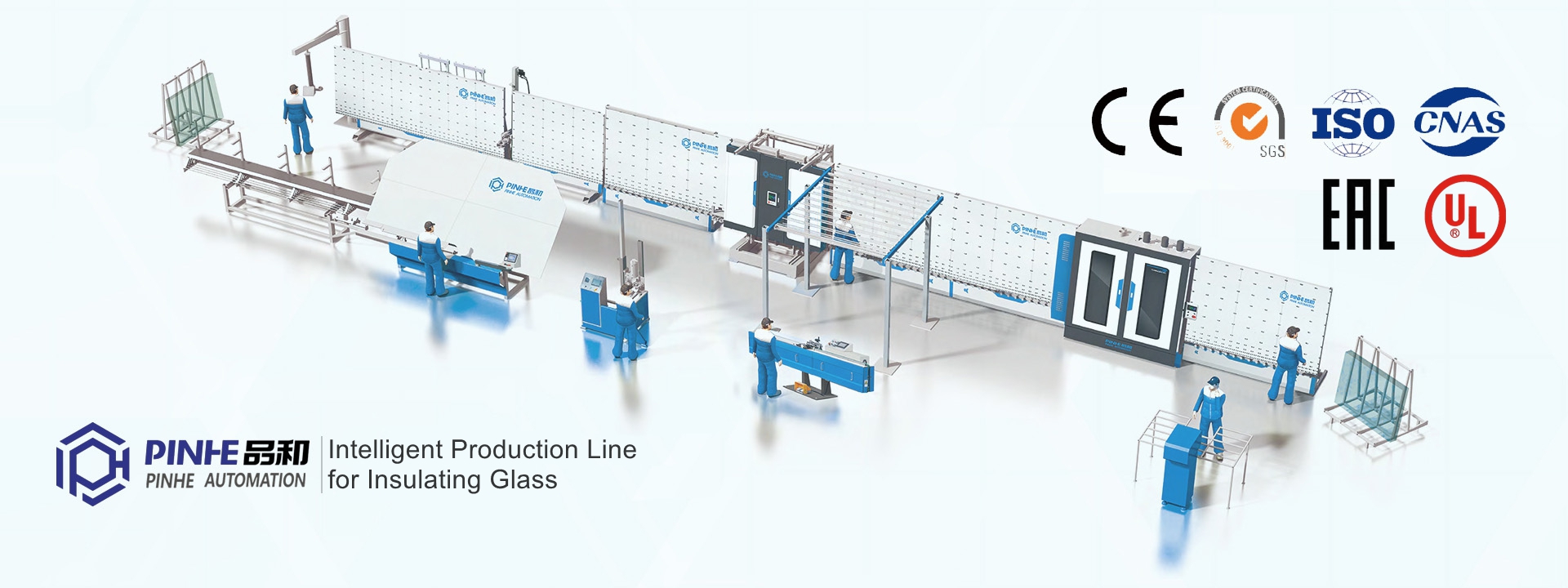


The Advantages of Insulating Glass Production Lines
Insulating glass, also known as hollow glass, is widely used in modern architecture due to its excellent thermal insulation, soundproofing, and energy-saving properties. The production of Insulating glass relies on advanced production lines, which offer numerous advantages in terms of efficiency, quality, and sustainability. This article explores the key benefits of Insulating glass production lines.
1. High Efficiency and Automation
Modern Insulating glass production lines are highly automated, significantly reducing manual labor and increasing production efficiency. Automated systems handle tasks such as glass cutting, washing, sealing, and inspection, ensuring consistent output with minimal human intervention. This automation not only speeds up the production process but also reduces the risk of errors, leading to higher productivity and lower operational costs.
2. Superior Product Quality
Insulating glass production lines are equipped with advanced technologies that ensure precise control over every stage of the manufacturing process. For instance, automated cutting machines guarantee accurate dimensions, while high-pressure washing systems remove contaminants to ensure optimal adhesion of sealing materials. Additionally, advanced inspection systems detect defects such as bubbles or misalignments, ensuring that only high-quality products reach the market. This level of precision results in durable, reliable, and aesthetically pleasing Insulating glass units.
3. Energy Efficiency and Sustainability
Insulating glass production lines are designed with energy efficiency in mind. Many systems incorporate energy-saving features such as heat recovery and low-power consumption components. Furthermore, the production process itself contributes to sustainability by creating insulating glass units that reduce energy consumption in buildings. By improving thermal insulation, Insulating glass helps lower heating and cooling costs, making it an environmentally friendly choice for construction projects.
4. Customization and Flexibility
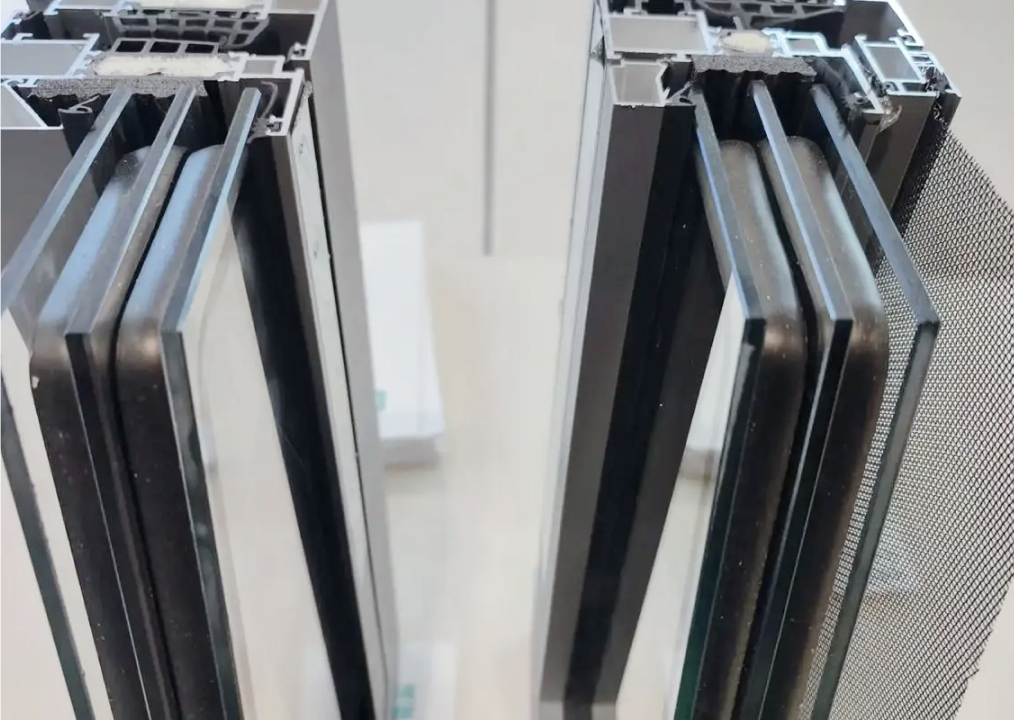
Insulating glass production lines offer great flexibility to meet diverse customer needs. They can produce glass units of various sizes, shapes, and configurations, including double-glazed, triple-glazed, or even gas-filled units. This adaptability allows manufacturers to cater to specific architectural requirements, enhancing the versatility of Insulating glass applications in both residential and commercial buildings.
5. Cost-Effectiveness
While the initial investment in a Insulating glass production line may be significant, the long-term benefits outweigh the costs. The high efficiency and low waste generation of these systems reduce production expenses over time. Moreover, the durability and energy-saving properties of Insulating glass products translate into cost savings for end-users, making it a cost-effective solution for both manufacturers and consumers.
6. Enhanced Safety
Insulating glass production lines prioritize safety by incorporating features such as automated handling systems and protective barriers. These measures minimize the risk of accidents and ensure a safer working environment for operators. Additionally, the use of high-quality materials and precise sealing techniques enhances the structural integrity of the glass units, making them safer for installation and use.
In conclusion, Insulating glass production lines offer a range of advantages, including high efficiency, superior quality, energy efficiency, customization, cost-effectiveness, and enhanced safety. These benefits make them an indispensable tool for manufacturers seeking to meet the growing demand for high-performance insulating glass in the construction industry. As technology continues to advance, Insulating glass production lines will play an increasingly important role in promoting sustainable and innovative building solutions.